
Usema vs Ozempic: Comparison Guide

✓ Free to download
A practical, evidence-aware guide to usema vs ozempic: comparison guide with clear and safe next steps.
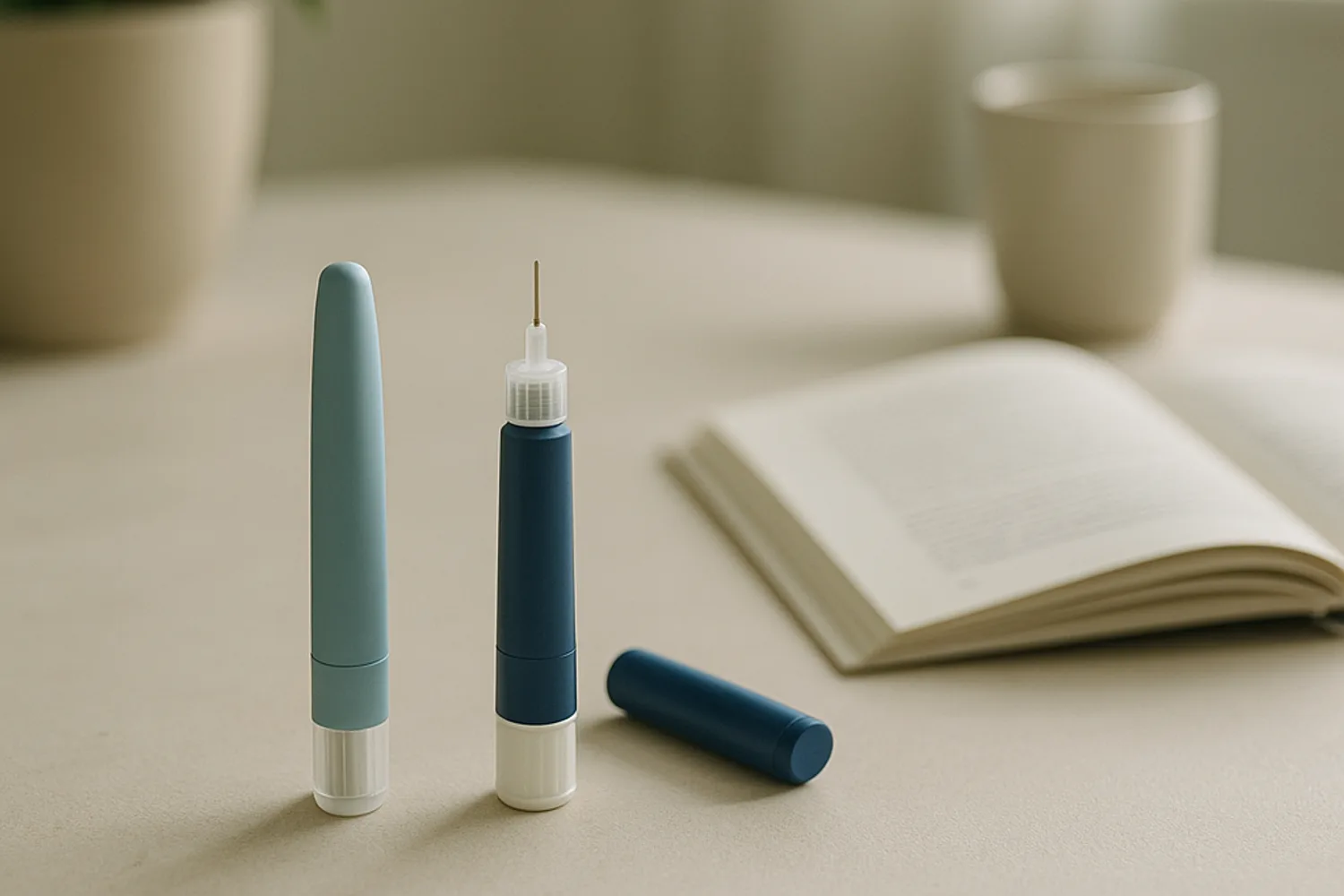
Usema vs Ozempic: Comparison Guide
In the world of health and wellness, conversations around medications that support metabolic health are growing. Two names you might hear are Usema and Ozempic. Both are used in the management of type 2 diabetes and have gained attention for their effects on body weight. But what sets them apart?
This guide offers a clear, practical comparison to help you understand the similarities and differences between Usema and Ozempic. Our goal is to provide balanced information, free from hype, so you can have a more informed discussion with your doctor. Consult your healthcare provider before starting any medication.
Availability note (October 2026): Usema is Dr. Reddy's semaglutide, co-marketed by USV. In July 2026 Dr. Reddy's paused commercial supplies of its semaglutide injection after some batches were found out of specification because of an active-ingredient issue, and said there was no impact on patient safety. We could not confirm how this affected Usema stock, so check current availability with your pharmacist and do not change brand or dose without your prescriber.
What is Semaglutide? The Active Ingredient
Before we compare the brands, it's essential to understand the active ingredient they share: semaglutide.
Semaglutide belongs to a class of medications called glucagon-like peptide-1 (GLP-1) receptor agonists. In simple terms, it works by mimicking a natural hormone in your body that helps to:
- Regulate blood sugar: It encourages the pancreas to release insulin when blood sugar is high.
- Slow down digestion: It keeps food in your stomach for longer, which helps you feel full and satisfied after eating.
- Reduce appetite: It signals to the brain that you are full, which can lead to eating less.
Both Usema and Ozempic are delivered as a once-weekly injection, administered just under the skin (subcutaneously).
Understanding Ozempic
Ozempic is the brand name for semaglutide manufactured by the global pharmaceutical company Novo Nordisk. It is approved for use in adults with type 2 diabetes to improve blood sugar control, alongside diet and exercise. Novo Nordisk launched Ozempic in India in December 2025 in 0.25mg, 0.5mg and 1mg FlexTouch pens.
Its effectiveness in promoting weight loss was noted in clinical trials, which led to its widespread recognition. This effect is a key reason why many people are curious about it, both for diabetes management and for its potential role in weight management.
Understanding Usema
Usema is a brand of semaglutide launched in India on 21 March 2026 by USV Private Limited, which co-markets semaglutide developed and made by Dr. Reddy's Laboratories. Just like Ozempic, Usema contains the active ingredient semaglutide and was launched for the management of type 2 diabetes in adults, in 2mg and 4mg pre-filled pens (an 8mg pen was announced for later).
Because it contains the same active compound, Usema works in the exact same way as Ozempic—by acting as a GLP-1 receptor agonist to help control blood sugar, increase feelings of fullness, and reduce appetite.
Key Similarities: Usema and Ozempic
When you look at the science, Usema and Ozempic are very similar. USV describes Usema as bioequivalent to the innovator, and Dr. Reddy's reported that its semaglutide injection was non-inferior to the innovator for blood sugar control, with a similar safety profile, in a 312-person Phase III study.
- Active Ingredient: Both contain semaglutide.
- Mechanism of Action: Both are GLP-1 receptor agonists.
- Primary Use: Both are approved for improving glycemic control in adults with type 2 diabetes.
- Administration: Both are administered as a once-weekly subcutaneous injection.
- Potential Side Effects: As they contain the same active ingredient, they are expected to share the same profile of potential side effects.
Choosing between Usema and Ozempic is similar to choosing between two brands of the same medicine, but the pens, strengths and inactive ingredients differ, so your doctor should confirm the right product and dose.
Key Differences: What to Consider
While the medication itself is the same, there are a few practical differences that might influence which one is prescribed or chosen.
Manufacturer and Brand
The most obvious difference is the company behind the name. Ozempic is from Novo Nordisk, a Danish multinational company, while Usema is marketed by USV, an Indian company, using Dr. Reddy's semaglutide. This can have implications for the supply chain and availability within India.
Cost and Availability
Different brands of the same medication can come with different price tags. As dated examples, Usema launched at a starting price of Rs 4,300 in March 2026, and Ozempic was reported at about Rs 5,660-9,100 after Novo Nordisk's April 2026 price cut. The cost can be a significant factor for long-term treatment. Availability may also vary by location and pharmacy. One brand might be more readily accessible than the other depending on your region. Discussing cost and availability with your doctor and pharmacist is a practical step.
The Injection Device
While both are injectable pens, the design of the pen device itself might have slight variations. This could include the feel of the device, the clicking mechanism for dosing, or the needle attachment process. These differences are generally minor, but some individuals may find they have a preference for one over the other.
A Note on Side Effects
Because Usema and Ozempic share the same active ingredient, they also share the same potential side effects. Most are digestive in nature and tend to be mild to moderate, often decreasing as your body adjusts to the medication.
Common side effects include:
- Nausea
- Diarrhoea
- Vomiting
- Constipation
- Abdominal pain
It is crucial to discuss the full side effect profile with your doctor, including less common but more serious risks such as pancreatitis, gallbladder problems, dehydration leading to kidney problems, and low blood sugar when used with insulin or a sulfonylurea. They can provide guidance on how to manage any side effects that may arise.
Get urgent medical help for severe stomach pain that does not go away (it may spread to your back, with or without vomiting), pain in the upper right abdomen with fever or yellowing of the skin or eyes, signs of a serious allergic reaction (swelling of the face, lips or throat, trouble breathing), or vomiting or diarrhoea so severe you cannot keep fluids down. If you also take insulin or a sulfonylurea, know the signs of low blood sugar, as your doses of those medicines may need adjusting. Tell your doctor about any vision changes if you have diabetic eye disease, and tell the team before any surgery or sedation. Semaglutide carries a US boxed warning about thyroid C-cell tumours and must not be used if you or a close relative has had medullary thyroid carcinoma (MTC) or if you have MEN 2. Do not use it if you are pregnant or planning a pregnancy without talking to your doctor first.
Do not switch between Usema and Ozempic, or change your dose, without your doctor.
Making an Informed Choice
So, how do you decide between Usema and Ozempic? The truth is, the decision isn't just about the brand name. It’s a medical decision that should be made with professional guidance.
Your doctor is the best person to determine if a semaglutide-based medication is right for you in the first place. Their decision will be based on your overall health, medical history, and treatment goals. If they recommend semaglutide, the choice between Usema and Ozempic will likely come down to practical factors. Your doctor or pharmacist can advise you based on local availability, cost, and your insurance coverage.
Remember, these medications are most effective as part of a comprehensive health plan that includes a balanced diet and regular physical activity. They are tools to support your journey, not a replacement for healthy lifestyle habits.
Ultimately, understanding that Usema and Ozempic are different brands of the same effective medication is the key takeaway. This knowledge empowers you to have a productive conversation with your healthcare team. Consult your healthcare provider before starting any medication.
Sources
- https://my.clevelandclinic.org/health/treatments/13901-glp-1-agonists
- https://pubmed.ncbi.nlm.nih.gov/33567185/
- https://www.ozempic.com/why-ozempic/what-is-ozempic.html
- Ozempic US prescribing information (Novo Nordisk, revised May 2026): https://www.novo-pi.com/ozempic.pdf
- ET Pharma: USV and Dr Reddy's launch Usema at a starting price of Rs 4,300 (22 March 2026): https://pharma.economictimes.indiatimes.com/news/drug-approvals-and-launches/usv-dr-reddys-semaglutide-generic-hits-market-at-4300/129721908
- BioSpectrum India: USV launches Usema with Dr. Reddy's (21 March 2026): https://biospectrumindia.com/news/16/27530/usv-launches-usema-to-address-indias-metabolic-health-burden.html
- Dr. Reddy's Obeda injection launch release (21 March 2026): https://www.drreddys.com/cms/sites/default/files/2026-03/finalpressrelease-Dr.Reddy%27sSemalaunch-21stMarch2026.pdf
- Dr. Reddy's delays commercial semaglutide supplies after an ingredient issue (Daily Excelsior/PTI, 9 July 2026): https://www.dailyexcelsior.com/dr-reddys-delays-anti-diabetic-semaglutide-commercial-supplies-after-issues-with-ingredient/
- Ozempic and Wegovy India price ranges after the April 2026 cut (Outlook Business, 31 March 2026): https://www.outlookbusiness.com/corporate/novo-nordisk-cuts-ozempic-wegovy-prices-by-up-to-48-amid-generic-pressure
- Novo Nordisk launches Ozempic in India for type 2 diabetes (The Week/PTI, 12 December 2025): https://www.theweek.in/wire-updates/business/2025/12/12/dcm26-biz-novo-nordisk-diabetes.html
Written by
Dietician / Nutritionist
Health Content Writer
Chetana C is a Dietician / Nutritionist professional who contributes evidence-informed health and wellness content for Weight Easy.
View profile →Reviewed by
Ph. D in Food Science and Nutrition
Senior Medical Reviewer
Dr. Shunmukha Priya. S is a Ph. D in Food Science and Nutrition professional who reviews Weight Easy health content for medical and editorial accuracy.
View profile →