
Glusema vs Ozempic: Comparison Guide

✓ Free to download
A practical, evidence-aware guide to glusema vs ozempic: comparison guide with clear and safe next steps.
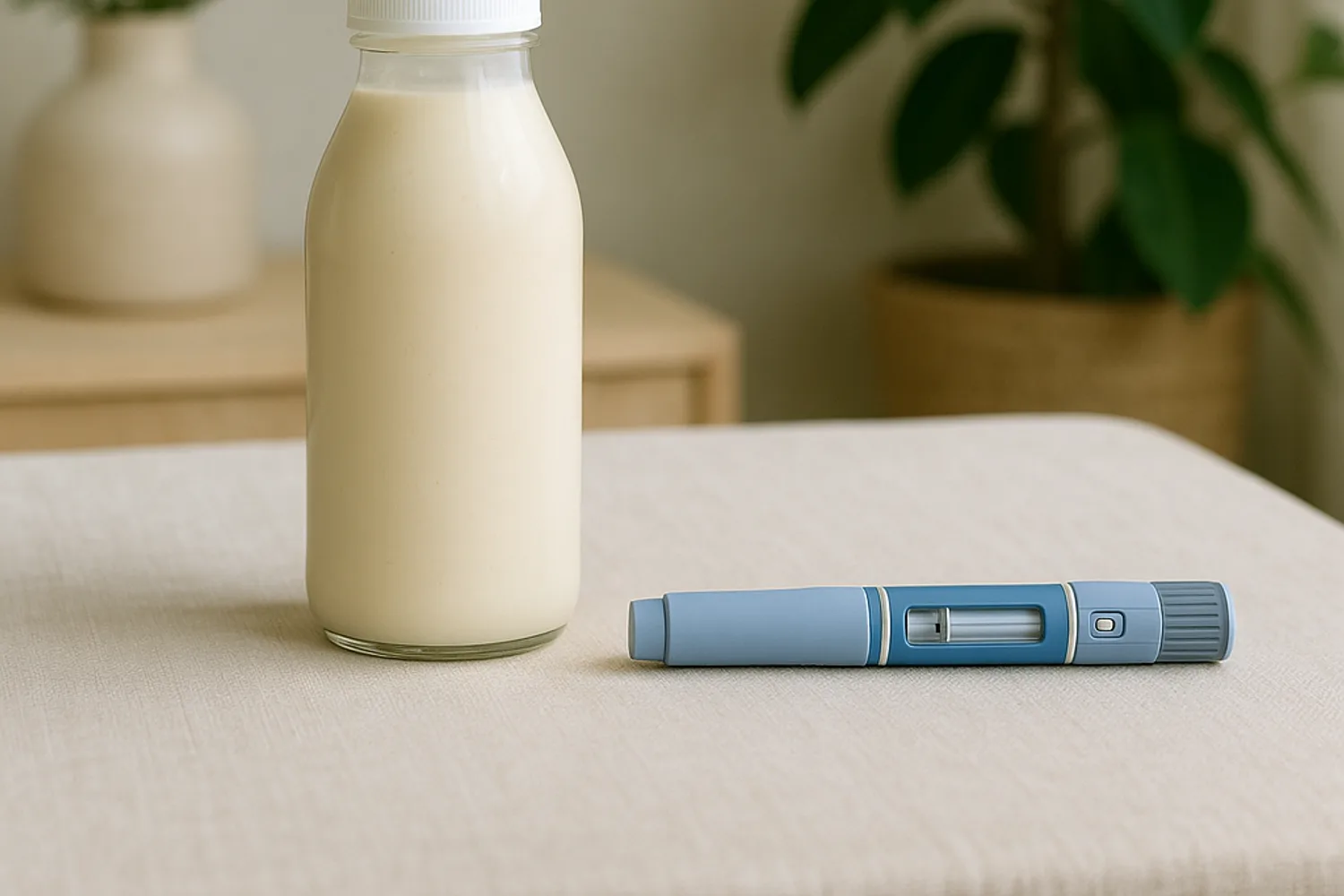
Glusema vs Ozempic: Comparison Guide
In the world of modern medicine, new treatments for managing type 2 diabetes and supporting weight management are frequently discussed. Among the most talked-about are medications containing semaglutide. You may have heard of Ozempic, a globally recognised brand, and you might also be hearing more about Glusema, one of the many generic semaglutide brand names listed for launch in India around the time the semaglutide patent expired in March 2026.
Navigating these names can feel confusing, but understanding the fundamentals can help you have a more informed conversation with your doctor. This guide offers a clear, practical comparison between Glusema and Ozempic, focusing on what they share, where they differ, and how to approach the topic with your healthcare team. Consult your healthcare provider before starting any medication.
What is Semaglutide? The Active Ingredient
Before comparing the brands, it's essential to understand their core component: semaglutide. Both Glusema and Ozempic are brand names for this active pharmaceutical ingredient.
Semaglutide belongs to a class of medications known as glucagon-like peptide-1 (GLP-1) receptor agonists. In simple terms, it works by mimicking a natural hormone in your body that is released after you eat. This has several effects:
- It helps the pancreas release the right amount of insulin when blood sugar is high.
- It slows down gastric emptying, which is the process of food leaving your stomach. This helps you feel fuller for a longer period.
- It acts on appetite centres in the brain, reducing hunger and food cravings.
Due to this mechanism, semaglutide is approved for managing blood sugar levels in adults with type 2 diabetes. It is also recognised for its significant impact on weight management when used alongside diet and exercise.
Introducing Ozempic and Glusema
While they share the same active ingredient, Ozempic and Glusema are distinct products from different manufacturers.
Ozempic: The Global Brand
Ozempic is the brand name for semaglutide developed and marketed by the Danish pharmaceutical company Novo Nordisk. It was one of the first semaglutide products to receive widespread global approval and has been extensively studied in large-scale clinical trials. Novo Nordisk launched Ozempic in India in December 2025, where it is approved and marketed for adults with type 2 diabetes.
Glusema: An Indian-Market Option
Glusema is listed by Medical Dialogues as a semaglutide brand from Cue Labs Pharma, among more than 50 generic brands lined up for launch in India in 2026. As of October 2026 we could not confirm its approved indications, strengths or pen design from the manufacturer or CDSCO, so check these with your doctor or pharmacist. As a semaglutide product, it is intended to work in the same way as Ozempic. The introduction of different brands of a medication is common in the pharmaceutical industry and provides more options within a country's healthcare system.
Key Similarities: What They Have in Common
Since the active ingredient is identical, Glusema and Ozempic have more in common than not.
Active Ingredient and Mechanism
The most crucial similarity is that both are semaglutide. This means they are expected to have the same clinical effects on blood sugar control, appetite, and body weight. The way they function inside your body is identical.
How It's Administered
Ozempic is given as a once-weekly subcutaneous (under the skin) injection in the abdomen, thigh, or upper arm. Generic semaglutide injections in India are generally once-weekly too, but confirm the dosing and device for your specific Glusema product with your pharmacist.
Potential Side Effects
Because they are the same drug, the potential side effects are also the same. The most common side effects are gastrointestinal and may include:
- Nausea
- Vomiting
- Diarrhoea
- Constipation
- Abdominal pain
These side effects are often mild to moderate and tend to decrease over time as your body adjusts to the medication. Your doctor will typically start you on a low dose and increase it gradually to help minimise these effects. This is not a complete list, and it's important to discuss all potential side effects with your healthcare provider.
Seek urgent medical help for severe, persistent abdominal pain that may spread to your back (possible pancreatitis), pain in the upper right abdomen with fever or yellowing of the skin or eyes (possible gallbladder problems), vomiting or diarrhoea that stops you keeping fluids down, signs of a serious allergic reaction, or symptoms of low blood sugar if you also take insulin or a sulfonylurea. Tell your doctor about any changes in your vision if you have diabetic eye disease, and before any surgery or sedation.
Understanding the Differences
The primary differences between Glusema and Ozempic are not related to the drug itself, but to the companies that make them and the products they provide.
The Manufacturer
As mentioned, Ozempic is from Novo Nordisk, a global pioneer in this class of medication. Glusema is listed as a Cue Labs Pharma brand. Any semaglutide sold legally in India must be approved by India's drug regulator (the Drug Controller General of India, through CDSCO), so ask your pharmacist to confirm the product is an approved, licensed medicine.
The Delivery Device
One of the most practical differences can be the injection pen. Pharmaceutical companies often patent their specific delivery devices. The Ozempic pen is a pre-filled, multi-dose device with a specific design and mechanism. We could not confirm the design of the Glusema pen, so it may look and feel different. The user experience—from dialling the dose to performing the injection—might vary between the two pens.
Availability
The availability and distribution channels for different brands can vary within a country. The presence of multiple brands can increase the overall accessibility of a medication for patients who have been prescribed it by their doctor.
Making an Informed Choice with Your Doctor
The decision between different brands of the same medication is a medical one that should only be made in partnership with a qualified healthcare professional. They can provide personalised guidance based on your health profile.
Factors to Discuss with Your Healthcare Provider
When you talk to your doctor, be prepared to discuss several key points:
- Your Health Goals: Are you focused on managing type 2 diabetes, weight loss, or both?
- Your Medical History: A thorough review of your health conditions, allergies, and family medical history is crucial.
- Other Medications: Your doctor needs to know about all other prescriptions, over-the-counter drugs, and supplements you are taking.
- Practical Preferences: You can discuss the specifics of the injection pens to see if one might be a better fit for you.
- Insurance and Cost: Discussing the costs and what your insurance plan may cover is a practical and important part of the decision-making process.
Why Professional Guidance is Non-Negotiable
Semaglutide is a powerful prescription medication. A doctor’s oversight is essential to ensure it is used safely and effectively. Your doctor will determine the appropriate starting dose and a "titration" schedule to slowly increase the dose, which helps your body adapt. They will also monitor your progress and manage any side effects that may arise. Consult your healthcare provider before starting any medication.
The Bigger Picture: Lifestyle is Key
It is important to remember that medications like Glusema and Ozempic are tools, not standalone solutions. They are designed to work best as part of a comprehensive health plan. Lasting success in managing type 2 diabetes and achieving a healthy weight is built on a foundation of sustainable lifestyle habits.
This includes a balanced, nutritious diet, regular physical activity, and adequate sleep. Your healthcare team can help you create a holistic plan that incorporates these elements, using medication as a support to help you reach your goals.
Ultimately, both Glusema and Ozempic contain the same active ingredient, semaglutide. The choice between them comes down to a collaborative decision between you and your doctor, based on your individual health needs and circumstances.
Sources
- https://www.accessdata.fda.gov/drugsatfda_docs/label/2025/209637s025lbl.pdf
- https://www.nejm.org/doi/full/10.1056/NEJMoa2032183
- https://www.niddk.nih.gov/health-information/weight-management/prescription-medications-treat-overweight-obesity
- https://www.ozempic.com/why-ozempic/what-is-ozempic.html
- https://cdsco.gov.in/opencms/opencms/en/Home/
- Medical Dialogues — India's semaglutide market set for generic boom, full brand list: https://medicaldialogues.in/news/industry/pharma/indias-semaglutide-market-set-for-generic-boom-as-patents-expire-over-50-brands-lined-up-for-launch-see-full-list-165838
- The Week — Ozempic arrives in India (December 2025): https://www.theweek.in/news/health/2025/12/12/ozempic-arrives-in-india-novo-nordisk-s-weekly-flex-touch-pen-injection-price-set-at-rs-2-200.amp.html
Written by
Dietician / Nutritionist
Health Content Writer
Kazima is a Dietician / Nutritionist professional who contributes evidence-informed health and wellness content for Weight Easy.
View profile →Reviewed by
Immunobiologist
Senior Medical Reviewer
Dr Kshama Jain is an Immunobiologist professional who reviews Weight Easy health content for medical and editorial accuracy.
View profile →