
Trusema vs Ozempic: Comparison Guide

✓ Free to download
A practical, evidence-aware guide to trusema vs ozempic: comparison guide with clear and safe next steps.
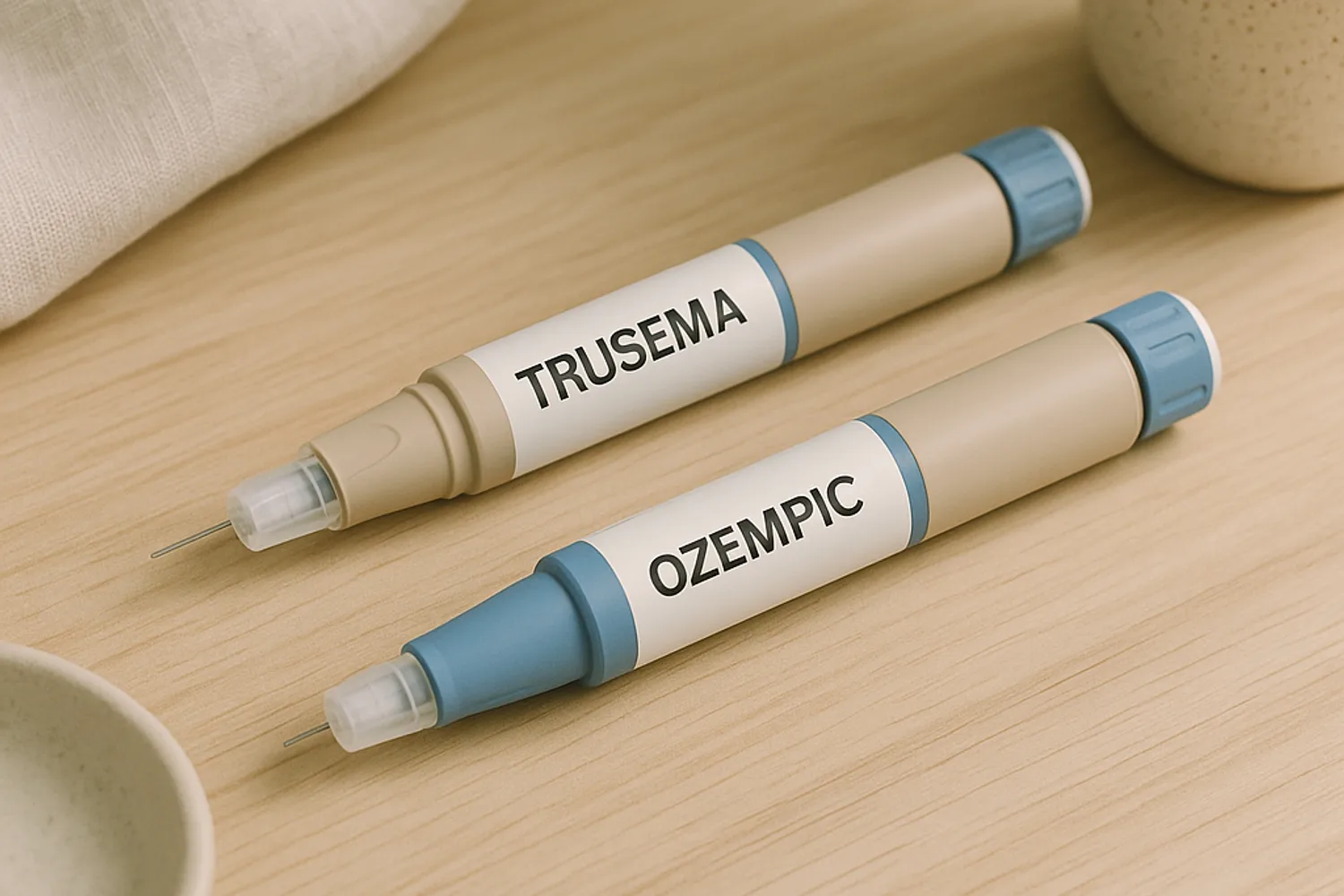
Trusema vs Ozempic: A Comparison Guide
The conversation around managing type 2 diabetes and weight has evolved significantly in recent years, largely due to a class of medications known as GLP-1 receptor agonists. Since the semaglutide patent expired in India in March 2026, many new semaglutide brand names have appeared, and Trusema is one of the names that has been reported. If you're exploring treatment options with your doctor, understanding how these brands relate to Ozempic is a helpful step.
Please note (October 2026): Trusema appeared in a March 2026 media list of semaglutide brand names planned for launch in India, where it was attributed to Torrent Pharmaceuticals. We could not confirm from the company or the regulator that Trusema has launched, or its approved uses, strengths or price. Torrent's announced semaglutide brands at launch were Sembolic and Semalix. Check the exact product, pack and leaflet with your doctor and pharmacist.
This guide offers a clear, evidence-aware comparison of Trusema and Ozempic to help you prepare for a more informed discussion about your health. Consult your healthcare provider before starting any medication.
What are Ozempic and Trusema?
Ozempic is Novo Nordisk's brand of semaglutide. Trusema has been reported as a planned Indian brand of semaglutide. Semaglutide belongs to a class of drugs called glucagon-like peptide-1 (GLP-1) receptor agonists.
These medications are injectable and are primarily used to improve blood sugar control in adults with type 2 diabetes, alongside diet and exercise. They have also gained attention for their effects on weight.
The Key Difference: Original vs. Follow-on Brand
The main distinction between Ozempic and newer Indian semaglutide brands lies in who developed them.
Ozempic is the original, innovator brand of semaglutide developed by Novo Nordisk, studied in the large SUSTAIN clinical trial programme. Novo Nordisk launched Ozempic in India in December 2025 for type 2 diabetes.
Trusema has been reported as a planned semaglutide brand from Torrent Pharmaceuticals. We could not confirm its launch or approval details.
Understanding Follow-on Semaglutide Brands
Since March 2026, Indian companies have launched their own semaglutide products after approval by the Drugs Controller General of India (DCGI). Companies usually describe them as "generic" semaglutide, and some have reported clinical studies comparing their product with the innovator.
Semaglutide is a peptide, and different manufacturers may make it in different ways and use different inactive ingredients and pens. Each product is approved on its own evidence, so check the approved uses, strengths and pen instructions for the exact product you are given. A follow-on product is expected to work in the same way and have the same potential side effects as the original medication.
How Do They Work?
Since both Trusema and Ozempic contain semaglutide, they share the same mechanism of action. Semaglutide mimics a natural hormone in your body called GLP-1, which is released after you eat.
By activating GLP-1 receptors, the medication works in several ways:
- Promotes Insulin Release: It encourages the pancreas to release insulin when blood sugar is high, helping to lower it.
- Reduces Glucagon: It limits the release of glucagon, a hormone that raises blood sugar levels.
- Slows Digestion: It slows down the rate at which food leaves your stomach, which helps control blood sugar spikes after meals and contributes to a feeling of fullness.
- Reduces Appetite: It acts on areas of the brain that regulate appetite, leading to reduced hunger and caloric intake.
Approved Uses in India
In India, Ozempic is approved for type 2 diabetes in adults, alongside a healthy diet and regular physical activity. Approved uses of other semaglutide brands vary: some are approved for type 2 diabetes only, and some (and Novo Nordisk's Wegovy) for weight management. Check the approved use of the exact brand you are prescribed.
Using a diabetes-only brand solely for weight management would be off-label. It's essential to have this conversation with a qualified doctor who can assess your complete health profile.
Administration and Dosage
Ozempic is a once-weekly subcutaneous (under the skin) injection, and injectable follow-on semaglutide brands are also given once weekly. Patients are typically taught to self-inject in the abdomen, thigh, or upper arm. Pens differ between brands, so learn the device you are given.
The dosage usually starts low and is gradually increased by the doctor over several weeks or months. This "titration" process helps the body adjust to the medication and minimizes potential side effects. The specific dosing schedule will be determined by your physician based on your individual needs and response to the treatment.
Effectiveness and Clinical Evidence
Follow-on semaglutide brands rely largely on the innovator's clinical evidence, plus their own comparison studies. Numerous large-scale studies, such as the SUSTAIN trial program, have demonstrated semaglutide's effectiveness in:
- Lowering HbA1c: It significantly reduces long-term blood sugar markers in people with type 2 diabetes.
- Promoting Weight Loss: Study participants consistently experienced meaningful weight loss compared to those on placebo or other diabetes medications.
- Cardiovascular Benefits: Research has shown that semaglutide can also reduce the risk of major adverse cardiovascular events (like heart attack or stroke) in individuals with type 2 diabetes and existing heart disease.
Potential Side Effects
Products with the same active ingredient are expected to have the same side effect profile. The most common side effects are gastrointestinal in nature, especially when starting the medication or increasing the dose.
Common side effects may include:
- Nausea
- Vomiting
- Diarrhoea
- Constipation
- Abdominal pain
These side effects are often mild to moderate and tend to decrease over time as the body gets used to the medication. More serious side effects are less common but possible, including pancreatitis, gallbladder problems, dehydration leading to kidney problems, and low blood sugar when used with insulin or a sulfonylurea.
Get urgent medical help for severe stomach pain that does not go away (it may spread to your back, with or without vomiting), pain in the upper right abdomen with fever or yellowing of the skin or eyes, signs of a serious allergic reaction (swelling of the face, lips or throat, trouble breathing), or vomiting or diarrhoea so severe you cannot keep fluids down. If you also take insulin or a sulfonylurea, know the signs of low blood sugar, as your doses of those medicines may need adjusting. Tell your doctor about any vision changes if you have diabetic eye disease, and tell the team before any surgery or sedation. Semaglutide carries a US boxed warning about thyroid C-cell tumours and must not be used if you or a close relative has had medullary thyroid carcinoma (MTC) or if you have MEN 2. Do not use it if you are pregnant or planning a pregnancy without talking to your doctor first.
Making an Informed Choice
The introduction of follow-on semaglutide brands can increase access to important medications. The choice between an innovator drug like Ozempic and another brand involves factors such as approved use, availability, cost, and the guidance of your healthcare team.
The most important takeaway is that products containing semaglutide are expected to have a similar clinical effect, but you should confirm the exact brand, approval and dose with your doctor and pharmacist. The decision is not about which one is "better" but which is the right, accessible option for you within your overall treatment plan.
Your health is a personal journey. Arming yourself with clear, factual information is the best way to partner with your doctor to make decisions that are right for you. Remember to discuss your complete medical history, any other medications you are taking, and any concerns you may have.
Consult your healthcare provider before starting any medication.
Sources
- https://www.who.int/news-room/fact-sheets/detail/obesity-and-overweight
- https://medlineplus.gov/druginfo/meds/a618008.html
- https://www.thelancet.com/journals/landia/article/PIIS2213-8587(18)30024-X/fulltext
- MedicalDialogues — list of semaglutide brands lined up for launch in India, including Trusema (Torrent): https://medicaldialogues.in/news/industry/pharma/indias-semaglutide-market-set-for-generic-boom-as-patents-expire-over-50-brands-lined-up-for-launch-see-full-list-165838
- Outlook Business — Torrent, Alkem and USV launch semaglutide brands (21 March 2026): https://www.outlookbusiness.com/corporate/torrent-alkem-usv-launch-generic-semaglutide-brands-as-patent-expires
- Novo Nordisk launches Ozempic in India for type 2 diabetes (The Week/PTI, 12 December 2025): https://www.theweek.in/wire-updates/business/2025/12/12/dcm26-biz-novo-nordisk-diabetes.html
- Ozempic US prescribing information (Novo Nordisk, revised May 2026): https://www.novo-pi.com/ozempic.pdf
- https://cdsco.gov.in/opencms/opencms/en/Home/
- https://www.ozempic.com/why-ozempic/what-is-ozempic.html
Written by
Dietician / Nutritionist
Health Content Writer
Gurprit Kaur is a Dietician / Nutritionist professional who contributes evidence-informed health and wellness content for Weight Easy.
View profile →Reviewed by
BHMS
Senior Medical Reviewer
Dietitian with experience in nutrition counseling, meal planning and promoting healthy lifestyles. Dedicated to help individuals achieve optimal health and well-being through personalized nutrition strategies. Skilled in providing expert guidance for managing conditions like diabetes, weight challenges and Lifestyle management.
View profile →