
Semalup vs Ozempic: Comparison Guide

✓ Free to download
A practical, evidence-aware guide to semalup vs ozempic: comparison guide with clear and safe next steps.
Semalup vs Ozempic: A Comparison Guide
Navigating the world of medications for type 2 diabetes and weight management can feel complex. With new options becoming available, it’s natural to have questions. Two names you might hear in India are Semalup and Ozempic. If you're wondering what the difference is and which might be discussed in your doctor's office, this guide is here to help clarify.
This article provides a practical, evidence-aware comparison to help you understand these two medications. Our goal is to offer clear information so you can have a more informed conversation with your doctor. Consult your healthcare provider before starting any medication.
What is Semaglutide? The Active Ingredient
Before we compare the brand names, it’s essential to understand what they have in common: the active ingredient, semaglutide.
Semaglutide belongs to a class of medications known as glucagon-like peptide-1 (GLP-1) receptor agonists. In simple terms, it mimics a natural hormone in your body that is released after you eat. This hormone has several effects:
- It helps the pancreas release the right amount of insulin when blood sugar is high.
- It slows down the process of food leaving your stomach, which can help you feel full for longer.
- It can signal a feeling of fullness to the brain, helping to reduce appetite.
Initially developed and approved for managing blood sugar levels in adults with type 2 diabetes, the effects of semaglutide on appetite and weight were quickly noted. This has led to its use, under medical supervision, as a tool for chronic weight management alongside diet and exercise.
Meet Ozempic
Ozempic is the brand name for semaglutide manufactured by the Danish pharmaceutical company, Novo Nordisk. It was one of the first semaglutide-based injectable medications to be widely available globally. Novo Nordisk launched Ozempic in India in December 2025.
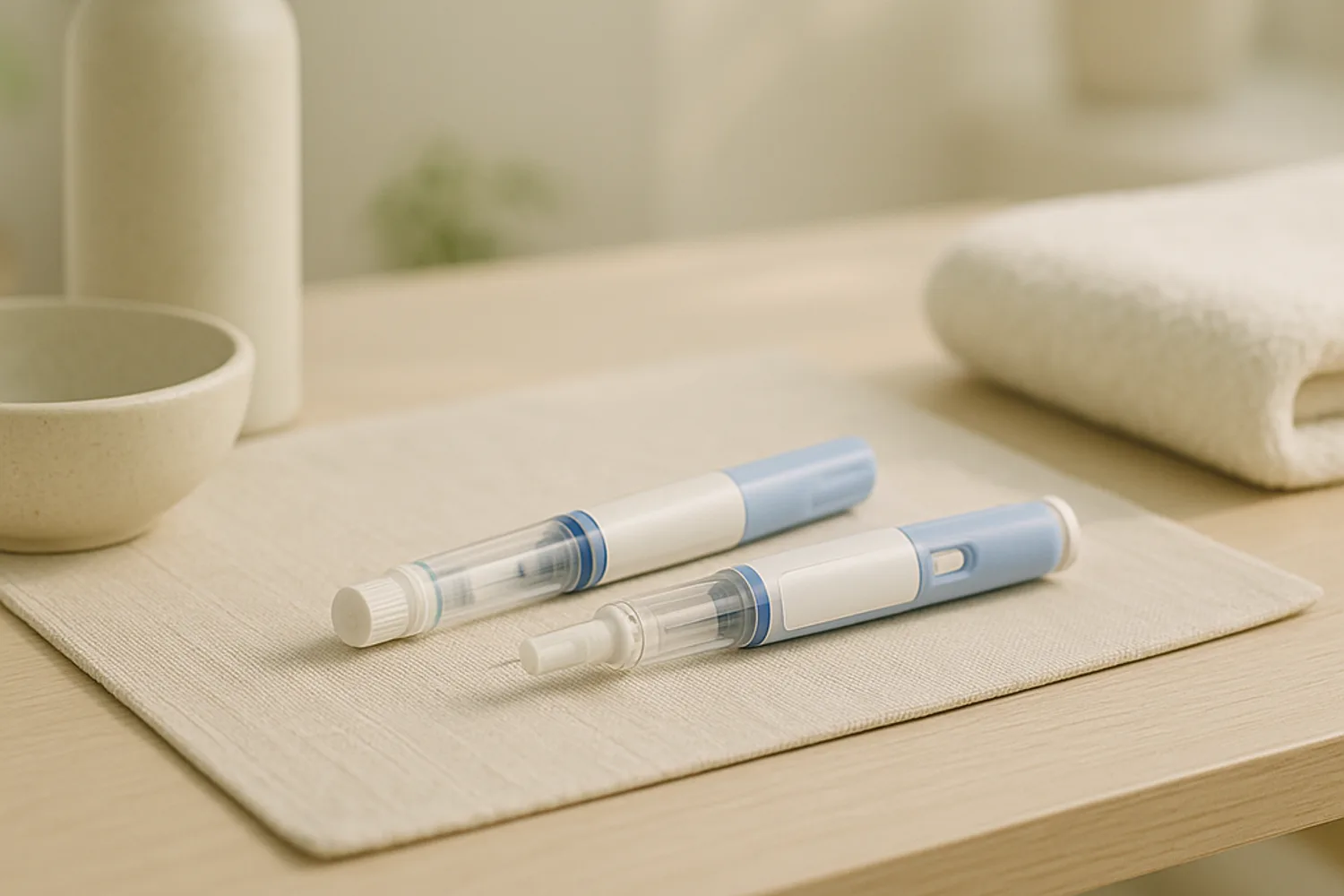
In India, Ozempic is marketed for the treatment of adults with insufficiently controlled type 2 diabetes. It is intended as an addition to diet and exercise. It is administered as a once-weekly injection using a pre-filled pen device.
Meet Semalup
Semalup is a brand name for the same active ingredient, semaglutide, associated with Lupin. It appeared in a March 2026 list of semaglutide brands lined up for India's market after the patent expired. As of October 2026 we could not confirm its launch, approved uses, strengths or device from a Lupin announcement; the semaglutide injection Lupin announced in March 2026 is co-marketed under the names Semanext and Livarise. If you are given Semalup, check the pack and leaflet for its approved uses, format and dose instructions.
Semalup vs. Ozempic: The Head-to-Head Comparison
Since both medications contain the exact same active drug, their core functions and effects on the body are identical. The differences lie in other factors.
Active Ingredient: Identical
This is the most crucial point. Both Ozempic and Semalup deliver semaglutide. This means their mechanism of action, effectiveness in controlling blood sugar, potential for weight loss, and side effect profile are expected to be the same. When you use either brand as prescribed, you are getting the same medication.
Manufacturer: Global vs. Local
Ozempic is produced by Novo Nordisk, a global leader in diabetes care that conducted the original research and development for semaglutide. Semalup is a brand name associated with Lupin, a major Indian pharmaceutical company known for producing a wide range of generic and specialty medications.
Approved Use in India: A Shared Purpose
Ozempic's approved use is as an adjunct to diet and exercise to improve glycemic control in adults with type 2 diabetes mellitus. Semaglutide is also approved in India for chronic weight management in adults who meet BMI criteria, for example as Novo Nordisk's Wegovy and several Indian generic brands, but Ozempic itself is not marketed for weight loss. The approved uses of Semalup are stated on its own leaflet, and whether any semaglutide product suits you is a decision for a qualified healthcare professional after a thorough evaluation.
Administration and Dosage: Similar Delivery
Ozempic is administered as a subcutaneous (under the skin) injection once a week from a prefilled multi-dose pen, starting at 0.25 mg once a week for 4 weeks before the dose is increased. Indian semaglutide brands come in different formats, including disposable pens, reusable pens with cartridges and multi-dose vials, so confirm the format of any Semalup product and follow its leaflet and your doctor's dose schedule.
Side Effects and Safety Profile
Because the active ingredient is identical, the potential side effects for Semalup and Ozempic are the same. Not everyone experiences them, but the most common side effects are gastrointestinal in nature. These can include:
- Nausea
- Vomiting
- Diarrhoea
- Constipation
- Abdominal pain
These side effects are often mild to moderate and tend to decrease over time as your body adjusts to the medication. Starting at a low dose and increasing it slowly under a doctor's guidance can help manage these effects. More serious side effects are rare but possible, which is why ongoing medical supervision is essential. Less common but serious risks include pancreatitis, gallbladder problems, dehydration leading to kidney problems, and low blood sugar when semaglutide is used with insulin or a sulfonylurea. Semaglutide must not be used if you or a family member has had medullary thyroid carcinoma (MTC), or if you have MEN 2. Get urgent medical help for severe, persistent stomach pain that may spread to your back, or vomiting that stops you keeping fluids down.
How to Make an Informed Decision
The choice between Semalup and Ozempic is not one you have to make alone. It is a decision that will be made by your doctor based on a complete assessment of your health.
Factors your doctor will consider include your medical history, the primary goal of treatment (e.g., blood sugar control), and your overall health profile. Other practical factors might include the availability of the medication in your local area and the cost. At Weight Easy, we believe in empowering you with clear information to support these important conversations.
The key takeaway is that you are not choosing between two different drugs, but rather between two different brands of the same drug. The most important step is speaking openly with your healthcare provider about your health goals. They can determine if semaglutide is appropriate for you and then advise on the brand that makes the most sense for your situation.
Ultimately, the best choice is the one that is made safely and effectively under professional medical guidance. Consult your healthcare provider before starting any medication.
Sources
- https://www.novo-pi.com/ozempic.pdf
- https://cdsco.gov.in/opencms/opencms/en/Home/
- https://medicaldialogues.in/news/industry/pharma/indias-semaglutide-market-set-for-generic-boom-as-patents-expire-over-50-brands-lined-up-for-launch-see-full-list-165838
- https://www.lupin.com/media/press-releases/lupin-and-zydus-sign-licensing-agreement-for-co-marketing-innovative-semaglutide-injection-in-india
- https://www.thenationalnews.com/health/2025/12/12/ozempic-india-weight-loss-drug/
- https://doi.org/10.3389/fendo.2021.645563
Written by
Dietician / Nutritionist
Health Content Writer
Divya Magnani is a Dietician / Nutritionist professional who contributes evidence-informed health and wellness content for Weight Easy.
View profile →Reviewed by
Dietician / Nutritionist, Phd scholar
Senior Medical Reviewer
Nishat Anjum is a Dietician / Nutritionist, Phd scholar professional who reviews Weight Easy health content for medical and editorial accuracy.
View profile →