
Semaglyn vs Ozempic: Comparison Guide

✓ Free to download
A practical, evidence-aware guide to semaglyn vs ozempic: comparison guide with clear and safe next steps.
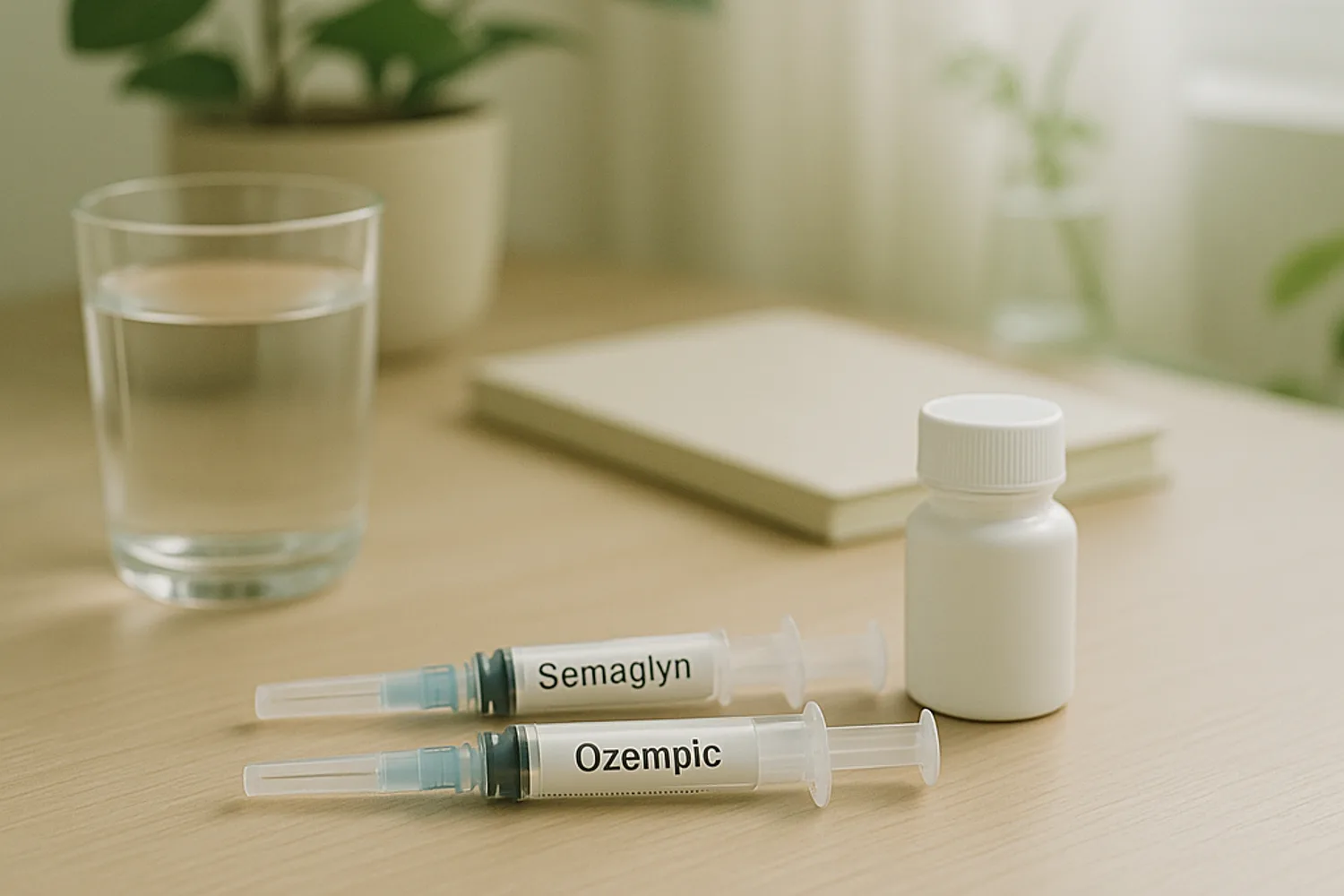
Semaglyn vs Ozempic: Comparison Guide
In the landscape of medications for managing type 2 diabetes, you may have heard about two injectable options: Semaglyn and Ozempic. With similar goals but different names, it’s natural to wonder what sets them apart. This guide offers a clear, practical comparison to help you understand the key similarities and differences, empowering you to have a more informed conversation with your doctor.
The information here is for educational purposes only and is not a substitute for professional medical advice. Consult your healthcare provider before starting any medication.
What is Semaglutide? The Common Thread
Before comparing the two brands, it's essential to understand the active ingredient they share: semaglutide.
Semaglutide belongs to a class of medications known as glucagon-like peptide-1 (GLP-1) receptor agonists. In simple terms, it works by mimicking the action of a natural hormone in your body that is released after you eat. This mechanism has several effects:
- It helps the pancreas release the right amount of insulin when blood sugar is high, which helps lower blood sugar levels.
- It slows down digestion, meaning food stays in your stomach longer. This can help prevent blood sugar from spiking after a meal and can also contribute to a feeling of fullness.
- It can reduce appetite by signaling to the brain that you are full, which may lead to eating less.
Because of these actions, semaglutide is an effective tool for improving blood sugar control in adults with type 2 diabetes.
Understanding Ozempic
What is Ozempic?
Ozempic is the brand name for semaglutide manufactured by the pharmaceutical company Novo Nordisk. It was one of the first semaglutide products to become widely available globally.
Its primary approved use is to improve glycemic control (blood sugar levels) in adults with type 2 diabetes, as an addition to diet and exercise. Novo Nordisk launched Ozempic in India in December 2025 for type 2 diabetes. Furthermore, extensive clinical trials have shown that for adults with type 2 diabetes and established cardiovascular disease, Ozempic also helps reduce the risk of major adverse cardiovascular events, such as heart attack, stroke, or death from cardiovascular causes.
How is Ozempic Administered?
Ozempic is a prescription medication administered as a once-weekly injection under the skin (subcutaneously), typically in the abdomen, thigh, or upper arm. It comes in a pre-filled, multi-dose disposable pen. A healthcare provider will show you how to use the pen correctly. Dosing usually starts low and is gradually increased by your doctor over several weeks or months to help your body adjust and to minimise potential side effects.
Understanding Semaglyn
What is Semaglyn?
Semaglyn is the brand name for semaglutide manufactured by the Indian pharmaceutical company Zydus Lifesciences. It contains the exact same active ingredient—semaglutide—as Ozempic.
Like Ozempic, Semaglyn is approved for improving blood sugar control in adults with type 2 diabetes. Zydus says the DCGI approval also covers obesity (chronic weight management), an indication Ozempic does not carry; in India, Novo Nordisk sells semaglutide for weight management as Wegovy. Because it is biochemically the same medication, it works in the body through the same GLP-1 receptor agonist mechanism. Its introduction provides another option for patients and doctors seeking semaglutide treatment in India.
How is Semaglyn Administered?
Semaglyn is also administered as a once-weekly subcutaneous injection. Unlike Ozempic's disposable pens, it uses a reusable, adjustable pen loaded with a prefilled 15 mg/3 ml cartridge, and you dial each dose your doctor prescribes. As with any injectable medication, proper training from a healthcare professional is crucial for safe and effective administration. The dosing schedule would also be determined by a doctor, typically starting low and increasing over time.
Key Similarities: What They Share
Since Semaglyn and Ozempic contain the same active drug, they have much in common.
- Active Ingredient: Both are semaglutide.
- Mechanism of Action: They work identically in the body to help regulate blood sugar, slow digestion, and manage appetite.
- Administration: Both are given as a once-weekly injection.
- Primary Indication: Both are prescribed to manage type 2 diabetes in adults.
- Side Effect Profile: Because the active ingredient is identical, the potential side effects are the same. The most common ones are gastrointestinal and include nausea, vomiting, diarrhea, abdominal pain, and constipation. These effects are often most noticeable when starting the medication or increasing the dose and may lessen over time for many people. Less common but serious risks include pancreatitis, gallbladder problems, dehydration leading to kidney injury, low blood sugar when used with insulin or sulfonylureas, and worsening diabetic eye disease. Both must not be used with a personal or family history of medullary thyroid carcinoma or MEN 2. Get urgent help for severe, persistent stomach pain that may spread to the back, or vomiting that stops you keeping fluids down.
Key Differences: What Sets Them Apart
The distinctions between Semaglyn and Ozempic are primarily non-medical and relate to their branding and market position.
- Manufacturer: This is the most significant difference. Ozempic is made by Novo Nordisk, a global company based in Denmark. Semaglyn is made by Zydus Lifesciences, a leading Indian pharmaceutical company.
- Brand Name: They are simply different trade names for the same molecule.
- Device and Packaging: Ozempic comes in prefilled disposable pens, each set to particular dose strengths. Semaglyn uses a reusable adjustable pen with replaceable cartridges. Because the dose is dialled, ask your doctor or pharmacist to show you how to set and check the dose.
- Clinical Data History: As the originator brand, Ozempic is supported by a large volume of long-term, global clinical studies (like the SUSTAIN trial program) that have been published over many years. Brands like Semaglyn are approved by India's drug regulator on the basis of data the manufacturer submits, rather than by repeating the originator's full trial programme.
- Availability and Cost: The presence of multiple brands of the same medication can influence availability and affordability in the market. Cost and accessibility can vary based on your location, pharmacy, and any insurance or healthcare plans. This is often a key practical factor in the decision-making process.
Which One is Right for You?
The decision between Semaglyn and Ozempic is not one you have to make alone. It is a conversation to be had with your doctor, who will consider all the relevant factors to recommend the best course of treatment for your individual needs.
Factors your doctor will consider include:
- Your overall health and specific medical history.
- The severity and status of your type 2 diabetes.
- Any co-existing conditions, especially cardiovascular disease.
- Local availability and the cost of the medication.
- Your preference and comfort level with a particular injection device.
Ultimately, the choice between two brands of the same effective medication often comes down to practical considerations best navigated with professional guidance. Your doctor’s priority is to find a treatment that is safe, effective, and accessible for you.
Consult your healthcare provider before starting any medication.
Conclusion: A Summary of Your Options
Semaglyn and Ozempic are two brand names for the same active ingredient, semaglutide. Both are effective, once-weekly injectable medications used to help manage type 2 diabetes. They work in the exact same way and share the same potential benefits and side effects.
The primary differences are the manufacturers behind the brands and other practical factors like cost, availability, and the specific design of the injector pen. By understanding these points, you are better prepared to discuss your treatment options with your healthcare provider and work together to create a management plan that fits your life and health goals.
Sources
- Zydus Lifesciences, Semaglutide injection launch plans (February 2026): https://www.zyduslife.com/investor/admin/uploads/21/83/Zydus-plans-to-launch-innovative-Semaglutide-Injection-in-India-on-Day-1-of-patent-expiry--expanding-patient-access-to-GLP-1-therapy.pdf
- BioSpectrum India, Zydus launches Semaglutide Injection in reusable multi-dose pen device in India (21 March 2026): https://biospectrumindia.com/news/16/27523/zydus-launches-semaglutide-injection-in-reusable-multi-dose-pen-device-in-india.html
- The National, Ozempic launched in India (12 December 2025): https://www.thenationalnews.com/health/2025/12/12/ozempic-india-weight-loss-drug/
- Ozempic (semaglutide) Prescribing Information - U.S. Food and Drug Administration (FDA): https://www.accessdata.fda.gov/drugsatfda_docs/label/2025/209637s025lbl.pdf
- Semaglutide and Cardiovascular Outcomes in Patients with Type 2 Diabetes (SUSTAIN-6 Trial) - The New England Journal of Medicine: https://www.nejm.org/doi/full/10.1056/NEJMoa1607141
- Prescription Medications to Treat Overweight and Obesity - National Institute of Diabetes and Digestive and Kidney Diseases (NIDDK): https://www.niddk.nih.gov/health-information/weight-management/prescription-medications-treat-overweight-obesity
- Central Drugs Standard Control Organisation (CDSCO), India: https://cdsco.gov.in/opencms/opencms/en/Home/
Written by
Dietician / Nutritionist
Health Content Writer
Vaishnavi R is a Dietician / Nutritionist professional who contributes evidence-informed health and wellness content for Weight Easy.
View profile →Reviewed by
BDS / MDS
Senior Medical Reviewer
Jude Bencia is a BDS / MDS professional who reviews Weight Easy health content for medical and editorial accuracy.
View profile →