
What Happens When You Stop Taking Ozempic?

✓ Free to download
Weight regain, timeline, side effect reversal, and what to expect after stopping Ozempic, Wegovy, Mounjaro, or Zepbound. A clear, honest guide for patients.
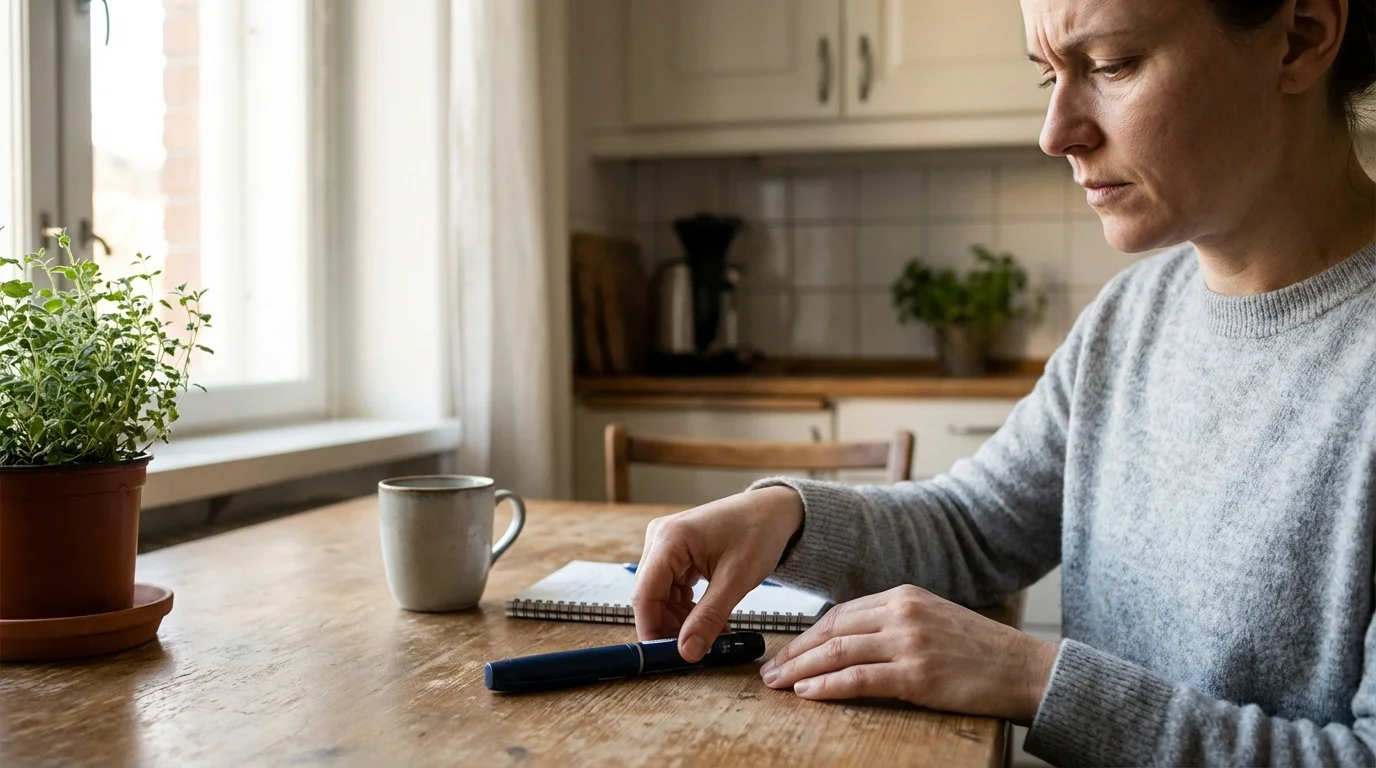
GLP-1 medications like Ozempic, Wegovy, Mounjaro, and Zepbound produce meaningful weight loss while you are taking them. But what happens when you stop?
This is one of the most common questions people have, and the honest answer matters for making long-term decisions about treatment.
Weight regain is expected, and why that is not a failure
The most consistent finding across clinical trials is that most people regain a significant amount of the weight they lost when they stop GLP-1 therapy.
The STEP 1 trial extension is the most cited study on this. Participants took semaglutide 2.4 mg (Wegovy) for 68 weeks, then stopped. Within 52 weeks of stopping:
- Participants regained approximately two thirds of their lost weight
- One year after stopping, body weight was on average about 5.6% below where participants started the trial
- Cardiometabolic benefits (blood pressure, cholesterol, blood sugar) also partially reversed
Similar findings have been reported after stopping tirzepatide: in the SURMOUNT-4 trial, people switched to placebo after 36 weeks on tirzepatide regained an average of 14% of body weight over the next year, while those who continued lost more.
Why does the weight come back?
This is important to understand. The weight returns not because of something wrong with the patient, but because:
Obesity is a chronic condition. GLP-1 medications treat it the same way blood pressure medication treats hypertension, they work while you take them. When you stop, the underlying biology that caused weight gain remains.
Appetite hormones reset. GLP-1 drugs suppress appetite by activating GLP-1 receptors in the brain and gut. When the drug is removed, those signals return to their pre-treatment state. Hunger comes back, often sharply.
The "set point" has not changed. The body defends a weight range it considers normal, and after stopping medication, it often returns toward that range.
Timeline: what to expect week by week
| Timeframe | What typically happens |
|---|---|
| Week 1–2 | Appetite begins returning, portion satisfaction decreases |
| Week 2–4 | Hunger more noticeable, especially between meals |
| Month 1–3 | Active weight regain period for most people |
| Month 3–12 | Regain continues at a slower pace |
| 12+ months | Weight often stabilises at around pre-treatment baseline or somewhat below |
Blood sugar control after stopping (for diabetes patients)
For people taking Ozempic or Mounjaro specifically for type 2 diabetes, stopping the medication typically leads to:
- Rising blood glucose within days to weeks
- A1C rising back toward pre-treatment levels over the following months
- Possible need to restart or switch to another diabetes medication
Do not stop diabetes medication without discussing it with your prescribing doctor first.
Stopping before surgery: what you need to know
GLP-1 medications slow gastric emptying, food stays in the stomach longer than usual. This creates a risk during general anaesthesia or deep sedation: stomach contents can be aspirated into the lungs, which is a serious complication.
Guidance has changed. In 2023 the American Society of Anesthesiologists advised holding weekly GLP-1 injections for a week before surgery. Updated multi-society guidance published in October 2024 (ASA, AGA, ASMBS, ISPCOP and SAGES) says most patients can continue GLP-1 medications before elective surgery. For people at higher risk, such as those still increasing their dose or with ongoing nausea or vomiting, the team may advise a liquid-only diet for 24 hours beforehand, hold the medicine, or delay the procedure. Stopping can also raise blood sugar in people with diabetes.
Local protocols differ between hospitals and countries. Always inform your surgical team that you are on a GLP-1 drug, and follow their specific instructions rather than stopping on your own.
Stopping before pregnancy
For semaglutide (Ozempic, Wegovy, Rybelsus), the labels advise stopping at least two months before a planned pregnancy because the drug stays in the body for a long time. For tirzepatide (Mounjaro, Zepbound), ask your prescriber about timing; tirzepatide can also make oral contraceptive pills less effective, so a non-oral or barrier method is advised for 4 weeks after starting and after each dose increase. There is insufficient safety data for use during pregnancy, and animal studies showed potential developmental risks. If you have diabetes, your doctor will plan another way to control blood sugar. Plan this transition well in advance with your doctor.
Strategies for maintaining weight after stopping
If you stop GLP-1 therapy, a structured maintenance plan helps reduce regain:
- Maintain protein intake: higher protein improves satiety and preserves muscle
- Keep a consistent food and activity log: structured tracking slows drift
- Monitor weekly weight: catching small gains early is easier than reversing large ones
- Ask about maintenance options: some prescribers discuss a long-term maintenance plan rather than stopping fully; this is a decision for your prescriber, not a dose change to make yourself
- Address the conditions that drive overeating: sleep, stress, and environment all matter
Is it ever the right decision to stop?
Yes, for many reasons:
- Side effects that do not resolve
- Pregnancy planning
- Cost or access
- Reaching a goal and wanting to trial off-medication maintenance
- Medical instruction before a procedure
The decision should be made with your doctor, not unilaterally.
Tracking through discontinuation
If you are stopping, the weeks immediately after are the most important to track carefully. Appetite changes, weight shifts, and symptom changes all tend to move quickly. Having a clear record of where you were on the drug makes it easier to assess what changes are occurring and when they started.
Weight Easy tracks weight, dose history, and weekly symptom patterns, useful reference data both during treatment and when you come off it.
Final takeaway
Most people regain significant weight after stopping Ozempic or other GLP-1 medications, usually within 12 months. This reflects the chronic nature of obesity rather than any personal failure. Before surgery, tell your surgical team well in advance and follow their protocol; most people can now continue their GLP-1. Before a planned pregnancy, semaglutide should be stopped at least two months ahead. Managing the transition with a plan, protein targets, tracking, and medical support, gives the best chance of maintaining progress.
Consult your healthcare provider before stopping any prescription medication.
Consult your healthcare provider before starting any medication.
Sources
- Ozempic prescribing information: https://www.accessdata.fda.gov/drugsatfda_docs/label/2025/209637s025lbl.pdf
- Wegovy prescribing information: https://www.accessdata.fda.gov/drugsatfda_docs/label/2024/215256s011lbl.pdf
- Mounjaro prescribing information: https://www.accessdata.fda.gov/drugsatfda_docs/label/2025/215866s034lbl.pdf
- Zepbound prescribing information: https://www.accessdata.fda.gov/drugsatfda_docs/label/2024/217806s003lbl.pdf
Related Articles
-
Wilding JPH, et al. Weight regain and cardiometabolic effects after withdrawal of semaglutide. Diabetes Obes Metab. 2022;24(8):1553–1564 (STEP 1 extension)
-
Aronne LJ, et al. Continued treatment with tirzepatide for maintenance of weight reduction in adults with obesity: the SURMOUNT-4 randomized clinical trial. JAMA. 2024;331(1):38–48: https://jamanetwork.com/journals/jama/fullarticle/2812936
-
American Society of Anesthesiologists. New multi-society clinical practice guidance on GLP-1 receptor agonists before elective surgery, October 29, 2024: https://asahq.org/about-asa/newsroom/news-releases/2024/10/new-multi-society-glp-1-guidance
-
Zepbound prescribing information (oral contraceptive advice): https://www.accessdata.fda.gov/drugsatfda_docs/label/2024/217806s003lbl.pdf
-
Ozempic prescribing information: https://www.accessdata.fda.gov/drugsatfda_docs/label/2025/209637s025lbl.pdf
-
Wegovy prescribing information: https://www.accessdata.fda.gov/drugsatfda_docs/label/2024/215256s011lbl.pdf
FAQ
Will I regain weight if I stop Ozempic?
Most people do regain a significant portion of the weight they lost, usually within 12 months of stopping. In the STEP 1 extension, participants who stopped semaglutide regained about two thirds of the weight they had lost within one year. This reflects the fact that obesity is a chronic condition and GLP-1 medications treat it as long as they are taken.
How quickly does weight come back after stopping Ozempic?
Weight regain typically begins within the first few weeks of stopping and continues for up to 12 months. The STEP 1 extension trial showed that most regain occurred in the first 52 weeks after stopping semaglutide.
What happens to blood sugar after stopping Ozempic?
For people using Ozempic for type 2 diabetes, blood sugar control typically worsens after stopping unless another treatment replaces it. Blood sugar can rise within weeks, so do not stop without a plan from your doctor.
Can you stop Ozempic suddenly or do you need to taper?
The labels do not require tapering GLP-1 medications, and they do not cause physical dependence. However, stopping may bring back hunger and, for people with diabetes, raise blood sugar. Talk to your doctor before stopping; after a longer gap, your prescriber may restart you at a lower dose.
Is it safe to stop Ozempic before surgery?
Only if your surgical team tells you to. GLP-1 drugs slow stomach emptying, which raises the risk of inhaling stomach contents (aspiration) during anesthesia. Since October 2024, US multi-society guidance says most patients can continue them before elective surgery, with extra precautions such as a 24-hour liquid diet for higher-risk patients. Always tell your surgical team you take a GLP-1 and follow their specific protocol.
Written by
Dietician / Nutritionist
Health Content Writer
Harshita Sharma is a Dietician / Nutritionist professional who contributes evidence-informed health and wellness content for Weight Easy.
View profile →Reviewed by
BHMS
Senior Medical Reviewer
Dietitian with experience in nutrition counseling, meal planning and promoting healthy lifestyles. Dedicated to help individuals achieve optimal health and well-being through personalized nutrition strategies. Skilled in providing expert guidance for managing conditions like diabetes, weight challenges and Lifestyle management.
View profile →