
What Is Semapride? India GLP-1 Guide

✓ Free to download
Explore Semapride as a GLP-1 option in India, with insights on its use for weight management and important factors to discuss before starting.
Understanding Semapride: A Guide to GLP-1 Medication in India
A new class of medications has entered the conversation around health and wellness in India, offering new possibilities for managing type 2 diabetes and supporting weight management journeys. You may have heard of names like Semapride and wondered what they are, how they work, and who they might be for.
This guide is designed to offer clear, practical information about Semapride, helping you understand its role in modern healthcare. The journey to better health is personal, and having reliable information is the first step. Consult your healthcare provider before starting any medication.
What is Semapride?
Semapride is a brand name listed for the medication semaglutide in India. As of October 2026, Semapride appears on published lists of semaglutide brand names lined up for India, where it is linked to Micro Labs (Medical Dialogues, March 2026). We could not find a public launch announcement or brand-specific prescribing information for Semapride. If you are prescribed it, check the exact strength, device and approved use on the pack and with your pharmacist.
Semaglutide belongs to a class of drugs called glucagon-like peptide-1 (GLP-1) receptor agonists.
While the name might sound complex, the concept is straightforward. These medications are designed to work with your body's own systems to help regulate blood sugar and appetite. Semaglutide was initially developed and approved for the management of type 2 diabetes, and its effects on weight were discovered during clinical trials. Today, it is used for both type 2 diabetes and, in specific situations, for chronic weight management.
How Semaglutide Works with Your Body
Instead of introducing a foreign process, semaglutide mimics the action of a natural hormone in your body called GLP-1. This hormone is released by your gut after you eat, and it plays a vital role in managing your blood sugar and appetite.
Semaglutide works in a few key ways:
It helps your pancreas
When your blood sugar levels rise after a meal, semaglutide encourages your pancreas to release the right amount of insulin. This helps your cells absorb sugar from the blood for energy, effectively lowering high blood sugar levels.
It slows down your stomach
The medication slows the rate at which food moves from your stomach into your small intestine. This process, called gastric emptying, helps you feel fuller for a longer period after eating. This feeling of satiety can lead to eating smaller portions and consuming fewer calories overall.
It communicates with your brain
GLP-1 receptors are also found in parts of the brain that control appetite and hunger. By acting on these receptors, semaglutide can help reduce hunger signals and food cravings, making it easier to stick to a healthy eating plan.
In essence, semaglutide supports your body’s natural ability to manage blood sugar and hunger, rather than overriding it.
Who Might Be a Candidate for Semapride?
The decision to use any prescription medication is a serious one that must be made between you and your doctor. It is not a cosmetic drug or a quick-fix solution. In India, semaglutide is prescribed by doctors for specific medical reasons. In India, semaglutide is approved for type 2 diabetes (for example Ozempic, Rybelsus and several Indian brands) and for chronic weight management (Wegovy, launched in India in June 2025, and some Indian brands launched from March 2026). Which use applies depends on the exact brand.
Typically, it is considered for:
- Adults with Type 2 Diabetes: It is often prescribed to help improve blood sugar control, usually in combination with diet and exercise. It can be used alone or with other diabetes medications.
- Adults for Chronic Weight Management: For some individuals, semaglutide is approved to aid in weight management. This is generally for adults with a body mass index (BMI) that falls into the obese category, or those who are overweight and also have at least one weight-related medical condition, such as high blood pressure, type 2 diabetes, or high cholesterol.
It is crucial to understand that Semapride is intended to be used as one part of a comprehensive health plan. This plan should always include a balanced diet and regular physical activity for the best results.
How Is It Administered?
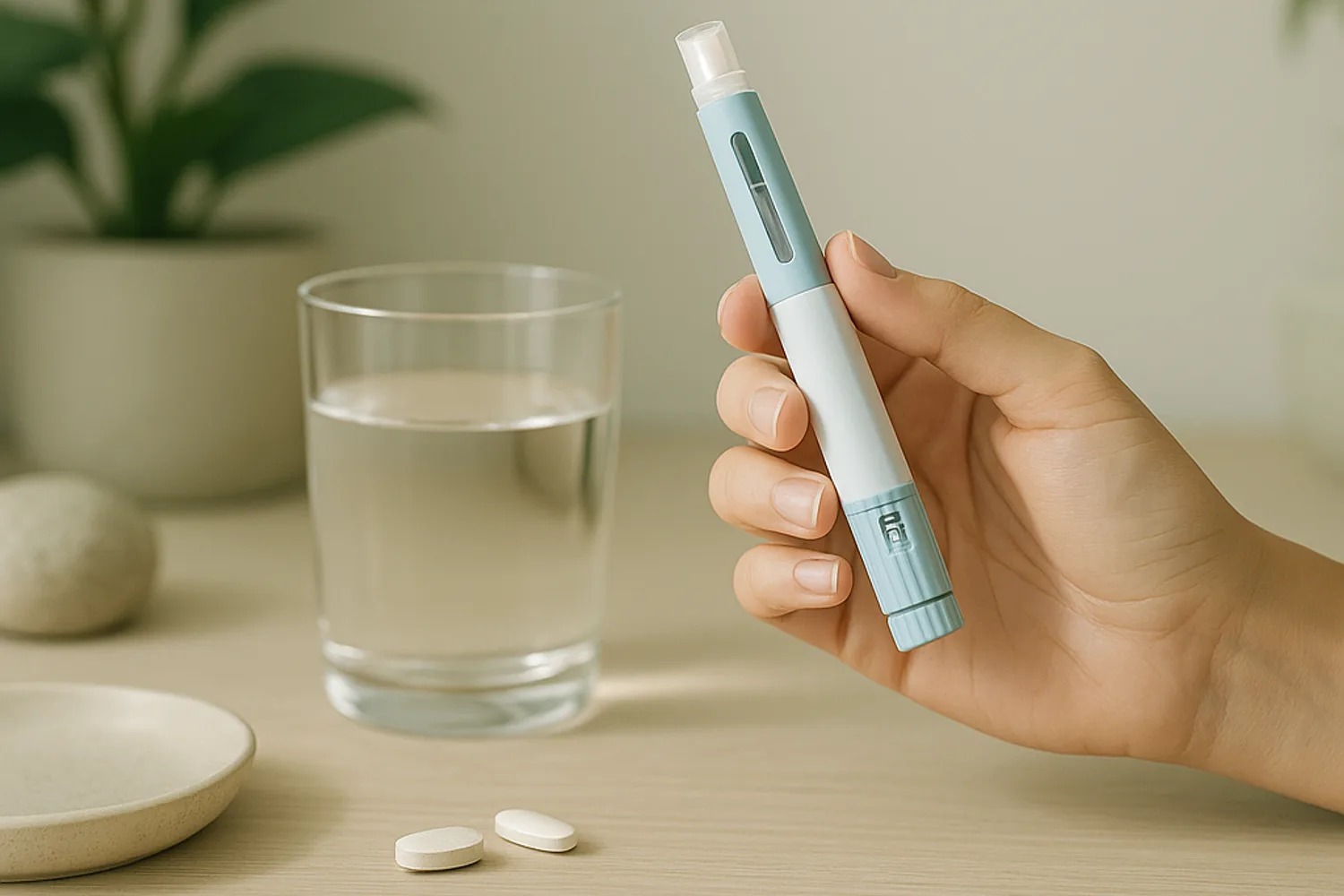
Injectable semaglutide is not as intimidating as it might sound. It is typically administered once a week using a pen device (or, for some brands, a vial and syringe) with a very small needle. Check which device your brand uses.
Most people learn to self-administer the injection quickly and easily. The injection is given just under the skin (subcutaneously) in the abdomen, thigh, or upper arm. Your doctor or a nurse will show you exactly how to use the pen so you can feel confident doing it at home.
What to Discuss With Your Doctor
An open and honest conversation with your healthcare provider is the most important step. They can assess your individual health profile and determine if Semapride is a safe and appropriate option for you.
Here are some key topics to cover during your appointment:
Your Complete Medical History
Be sure to tell your doctor about all your past and present health conditions. It is especially important to mention if you have ever had pancreatitis, kidney problems, or a personal or family history of certain types of thyroid tumours (like medullary thyroid carcinoma).
All Medications and Supplements
Provide a full list of everything you take, including prescription drugs, over-the-counter medicines, vitamins, and herbal supplements. This helps your doctor check for any potential interactions.
Your Health Goals and Expectations
Talk about what you hope to achieve. Are you focused on blood sugar control, weight loss, or both? Understanding your goals helps your doctor create a realistic and effective treatment plan for you.
Potential Side Effects
Like all medications, Semapride can have side effects. The most common ones are gastrointestinal, such as nausea, diarrhoea, constipation, and vomiting. For many people, these side effects are mildest when starting the medication and often decrease over time as the body adjusts. Your doctor will typically start you on a low dose and increase it gradually to help minimise these effects.
When to get urgent medical help
Less common but serious problems can happen with semaglutide. Get urgent medical help if you have severe stomach pain that does not go away (it may spread to your back), with or without vomiting, as this can be a sign of pancreatitis. Also seek prompt care for pain in the upper right belly, fever or yellowing of the skin or eyes (possible gallbladder problems), vomiting or diarrhoea that stops you keeping fluids down (dehydration can harm the kidneys), signs of a serious allergic reaction such as swelling of the face or throat or trouble breathing, or changes in your vision if you have diabetic eye disease. If you also take insulin or a sulfonylurea, your risk of low blood sugar is higher, so ask your doctor how to recognise and treat it. A lump or swelling in the neck, trouble swallowing or a hoarse voice should be checked by a doctor. Semaglutide should not be used in pregnancy and should be stopped at least 2 months before a planned pregnancy. Tell your doctor or anaesthetist that you take it before any surgery or sedation.
The Role of Lifestyle Changes
Discuss how diet and exercise will fit into your treatment plan. Semapride works best when it supports healthy lifestyle choices, not when it replaces them.
A Partner in Your Health Journey
Viewing medications like Semapride as a tool, rather than a cure, is a healthy perspective. It can be a powerful partner when combined with a commitment to nutritious food, regular movement, and ongoing medical guidance. The goal is sustainable, long-term health, and this medication can be a valuable part of that holistic approach for the right person.
Ultimately, navigating your health options is about empowerment through knowledge and partnership with your medical team. By understanding what Semapride is and how it works, you are better prepared to have a meaningful discussion with your doctor about your path forward.
Consult your healthcare provider before starting any medication.
Sources
https://cdsco.gov.in/opencms/opencms/en/Home/ https://pubmed.ncbi.nlm.nih.gov/33567185/ https://www.accessdata.fda.gov/drugsatfda_docs/label/2024/215256s011lbl.pdf https://www.england.nhs.uk/ourwork/prevention/obesity/medicines-for-obesity/weight-management-injections/ https://www.mayoclinic.org/drugs-supplements/semaglutide-subcutaneous-route/side-effects/drg-20406743
- MedlinePlus — semaglutide injection: https://medlineplus.gov/druginfo/meds/a618008.html
- Medical Dialogues — India semaglutide brands lined up for launch, March 4, 2026: https://medicaldialogues.in/news/industry/pharma/indias-semaglutide-market-set-for-generic-boom-as-patents-expire-over-50-brands-lined-up-for-launch-see-full-list-165838
- Ozempic (semaglutide) prescribing information, FDA, revised January 2025: https://www.accessdata.fda.gov/drugsatfda_docs/label/2025/209637s025lbl.pdf
- Wegovy India launch and price update (BioSpectrum India), November 2025: https://www.biospectrumindia.com/public/news/73/26916/novo-nordisk-india-reduces-wegovy-prices-for-patient-benefit.html
Written by
Dietician / Nutritionist
Health Content Writer
Jagruti Navale is a Dietician / Nutritionist professional who contributes evidence-informed health and wellness content for Weight Easy.
View profile →Reviewed by
BDS / MDS
Senior Medical Reviewer
Jude Bencia is a BDS / MDS professional who reviews Weight Easy health content for medical and editorial accuracy.
View profile →